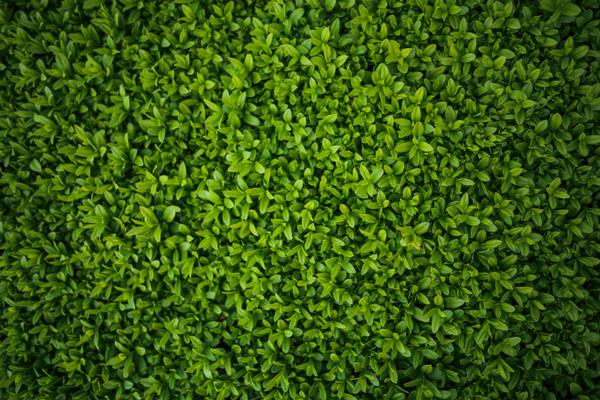
Photo by Karolina Grabowska: https://www.pexels.com/photo/green-leaves-privet-ligustrum-5770/
Hedges are pretty much living walls. They can provide privacy, support local wildlife and add beauty to your garden. But which plant should you use to build your hedge from? A variety of plants are suitable for turning into hedges. This post compares 7 popular hedge plants.
Box (Buxus sempervirens)
One of the most versatile hedge plants is box. Commonly found in formal gardens, box hedges can be sculpted into all kinds of incredible shapes for those who have the patience. They are also good at muffling sounds and providing privacy due to being dense and compact. Box hedges can be grown to different heights – if you’re looking for a low hedge option, box could be the best choice. You will need to trim them regularly to keep them looking neat – ideally two to three times per year. This does make them quite a high maintenance hedge option.
Beech (Fagus sylvatica)
A hedge made from beech trees is a good solution if you’re looking for something tall and dense. Beech hedges are also very robust and keep their shape well in high winds. Their thick branches are generally easy to maintain, however you’ll likely need to use an electric chainsaw rather than a standard hedge trimmer. Although beech hedges are deciduous, they are unique in the fact that they retain their brown leaves up until when new leaves are ready to grow, so they will stay looking leafy all year round.
Holly (Ilex aquifolium)
Holly is known for its distinct spiky green leaves that stay dense and colourful even in the winter. It’s worth choosing a holly hedge if you want to attract birds to your garden – holly berries are known for being a favourite treat among robins, thrushes and blackbirds. A holly hedge is also a great option for providing security – if you want to put off intruders from climbing into your garden, the spiky leaves of a holly bush will likely do the trick. Compared to other hedge plants, holly requires very little maintenance. In fact, an annual trim is usually all that’s necessary.
Yew (Taxus baccata)
Yew trees can live for hundreds or even thousands of years. They are a slow-growing plant, so you do need to be patient with them – but this also means that they don’t require too much maintenance. Yew hedges can grow in a range of soil types and can grow very tall. They have a dark green dense foliage and are possible to sculpt into different shapes. You should only need to prune them once per year in late summer.
Laurel (Prunus laurocerasus)
Those looking for a lush and leafy hedge should consider laurel. This evergreen plant can provide excellent privacy, noise reduction and wind protection throughout all four seasons. Laurel hedges often need to be trimmed once per year to stop them getting messy – with late spring or early summer being the best time to cut them back. Some laurel hedges may benefit from being trimmed twice per year.
Privet (Ligustrum vulgare)
Privet hedges are another lush and green option that are known for being very fast-growing. This allows you to establish a boundary quickly, although you’ll also need to trim this plant more regularly than other hedge plants – privet hedges need to be pruned at least twice per year to prevent them getting unruly. These hedges are very resilient to harsh weather and can grow quite high.
Camellia (camellia japonica)
This is a slightly unconventional option for those that like the idea of a flowering hedge. Camelias can provide a burst of colour in spring when they bloom, and are great plants for supporting butterflies and bees. Camellia plants are also evergreen and can provide a dense foliage all year round. You’ll need to trim back this plant once per year. The best time to do this is in late spring or summer after the flowers have bloomed.
Which hedge plant should you choose?
The best type of hedge plant is entirely dependent on the size of hedge you’re looking for, the types of aesthetics you’re looking for and the level of maintenance you’re willing to put in. Box is great for low hedges, while the likes of beech and yew are better for tall hedges. Laurel and privet can make great lush and leafy options, while holly is a unique spiky option and camellia can be a beautiful flowering option. Choose privet or box if you want something fast-growing. Choose a yew or holly hedge if you prefer a low-maintenance plant.
Leave a Reply