
• Skip to main content
  • Skip to primary sidebar

A Little Luxury For Me

Plants and Gardening

What Is The Best Plant To Build A Hedge Out Of?

March 29, 2025 by Erica Hughes Leave a Comment

green leaves

Photo by Karolina Grabowska: https://www.pexels.com/photo/green-leaves-privet-ligustrum-5770/

Hedges are pretty much living walls. They can provide privacy, support local wildlife and add beauty to your garden. But which plant should you use to build your hedge from? A variety of plants are suitable for turning into hedges. This post compares 7 popular hedge plants.

Box (Buxus sempervirens)

One of the most versatile hedge plants is box. Commonly found in formal gardens, box hedges can be sculpted into all kinds of incredible shapes for those who have the patience. They are also good at muffling sounds and providing privacy due to being dense and compact. Box hedges can be grown to different heights – if you’re looking for a low hedge option, box could be the best choice. You will need to trim them regularly to keep them looking neat – ideally two to three times per year. This does make them quite a high maintenance hedge option. 

Beech (Fagus sylvatica)

A hedge made from beech trees is a good solution if you’re looking for something tall and dense. Beech hedges are also very robust and keep their shape well in high winds. Their thick branches are generally easy to maintain, however you’ll likely need to use an electric chainsaw rather than a standard hedge trimmer. Although beech hedges are deciduous, they are unique in the fact that they retain their brown leaves up until when new leaves are ready to grow, so they will stay looking leafy all year round. 

Holly (Ilex aquifolium)

Holly is known for its distinct spiky green leaves that stay dense and colourful even in the winter. It’s worth choosing a holly hedge if you want to attract birds to your garden – holly berries are known for being a favourite treat among robins, thrushes and blackbirds. A holly hedge is also a great option for providing security – if you want to put off intruders from climbing into your garden, the spiky leaves of a holly bush will likely do the trick. Compared to other hedge plants, holly requires very little maintenance. In fact, an annual trim is usually all that’s necessary.

Yew (Taxus baccata)

Yew trees can live for hundreds or even thousands of years. They are a slow-growing plant, so you do need to be patient with them – but this also means that they don’t require too much maintenance. Yew hedges can grow in a range of soil types and can grow very tall. They have a dark green dense foliage and are possible to sculpt into different shapes. You should only need to prune them once per year in late summer. 

Laurel (Prunus laurocerasus)

Those looking for a lush and leafy hedge should consider laurel. This evergreen plant can provide excellent privacy, noise reduction and wind protection throughout all four seasons. Laurel hedges often need to be trimmed once per year to stop them getting messy – with late spring or early summer being the best time to cut them back. Some laurel hedges may benefit from being trimmed twice per year. 

Privet (Ligustrum vulgare)

Privet hedges are another lush and green option that are known for being very fast-growing. This allows you to establish a boundary quickly, although you’ll also need to trim this plant more regularly than other hedge plants – privet hedges need to be pruned at least twice per year to prevent them getting unruly. These hedges are very resilient to harsh weather and can grow quite high.

Camellia (camellia japonica)

This is a slightly unconventional option for those that like the idea of a flowering hedge. Camelias can provide a burst of colour in spring when they bloom, and are great plants for supporting butterflies and bees. Camellia plants are also evergreen and can provide a dense foliage all year round. You’ll need to trim back this plant once per year. The best time to do this is in late spring or summer after the flowers have bloomed.

Which hedge plant should you choose?

The best type of hedge plant is entirely dependent on the size of hedge you’re looking for, the types of aesthetics you’re looking for and the level of maintenance you’re willing to put in. Box is great for low hedges, while the likes of beech and yew are better for tall hedges. Laurel and privet can make great lush and leafy options, while holly is a unique spiky option and camellia can be a beautiful flowering option. Choose privet or box if you want something fast-growing. Choose a yew or holly hedge if you prefer a low-maintenance plant. 
Filed Under: Home, Plants and Gardening

Maintaining Your Garden Gear: From Lawnmowers to Shears

December 13, 2024 by Erica Hughes Leave a Comment

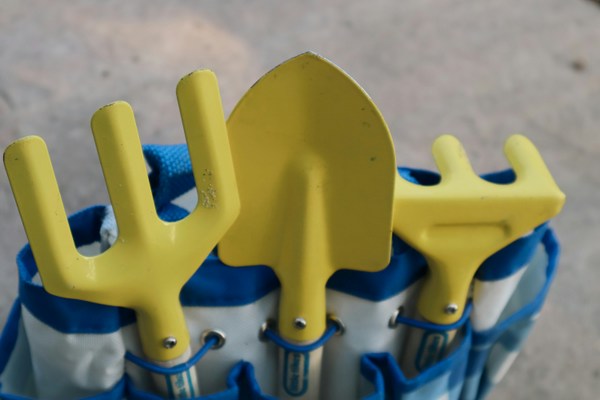
A garden should be your personal oasis, somewhere to come away from daily stressors and reconnect with nature. In order to ensure its success, however, proper upkeep of all gardening tools and equipment, from lawnmowers and shears through to composters, is very important in creating a great outdoor space. In this blog, we’ll give you some practical advice and strategies on keeping garden tools working as they should so you can continue reaping the fruits of your labour.

gardening tools

Photo by Allison Astorga on Unsplash

The Law of the Lawn: Caring for Your Lawnmower

Maintaining an attractive lawn requires proper lawnmower care. You can click here to find out how to clean the carburetor of your lawn mower. And you can follow these other steps to keep your lawnmower running smoothly:

  • Regular Cleaning: After each use, clean your lawnmower thoroughly to eliminate grass clippings and debris, using either a brush or hose to thoroughly wash away any accumulations from its blades, undercarriage, and wheels.
  • Sharpen the Blades: Dull blades can tear the grass instead of cutting it cleanly, leading to an unhealthy and uneven lawn. Inspect and sharpen them regularly as necessary for an even cut, or take your blades to a professional for sharpening services.
  • Oil and Filter Changes: Your lawnmower requires regular oil and filter changes just like your car does, following manufacturer recommendations on intervals and types. Doing this regularly will keep the engine running smoothly while prolonging its life and providing your mower with optimal performance for years.


Snip, Snip: Maintaining Your Garden Shears

Garden shears are important tools for shaping and pruning plants, so to keep them in prime condition follow these tips on maintaining them:

  • Cleaning and Lubrication: After each use, wipe down your shears with a cloth to remove plant residue or sap, using soapy water if necessary to clean any buildup. After they’re clean, apply an anti rust oil or lubricant to ensure smooth blade movement and to help prevent rusting.
  • Sharpen the Blades: For precise and clean cuts, sharp blades are important. Use a sharpening stone or file regularly to maintain optimal sharpening for your shears, remembering to follow their natural curve while sharpening.
  • Proper Storage: When not in use, store your shears in a dry location to prevent rust. Consider using a blade guard or sheath to shield the blades from accidental damage and ensure they stay sharper for longer.


The Tools of the Trade: Caring for Your Garden Tools

In addition to maintaining lawn mowers and shears, taking good care of your other garden tools is equally important. Here are a few general guidelines you should keep in mind:

  • Cleaning: Clean after every use to avoid rust formation and allow your tools to dry thoroughly before storing them away. A brush or hose are excellent ways of thoroughly cleansing these tools. Be sure to give extra care in cleaning difficult-to-reach spots. Dry your tools completely prior to storing for maximum preventative effect.
  • Check for Damage: Always inspect your tools regularly for signs of damage such as loose handles or rusting parts, to ensure safe and effective use. Repair or replace any such tools immediately to ensure safe use.
  • Proper Storage: Keep your tools organized and accessible by placing them in a dry environment away from moisture or extreme temperatures. Consider hanging them from a wall or using a tool rack.


Conclusion

Proper maintenance of your garden tools is important to prolonging their useful life and optimizing performance. By following these tips and incorporating regular maintenance into your gardening regimen, you can enjoy the rewards of an exquisite garden for years to come.

Filed Under: Home, Plants and Gardening

Steps to Start Your First Vegetable Garden from Scratch

November 7, 2024 by Erica Hughes Leave a Comment

Gardening can be an extremely rewarding pastime. It’s a way to safeguard your mental health, to keep active, and to provide your kitchen with a steady stream of fresh produce.

But starting a vegetable garden isn’t always easy, especially if you’re starting from scratch. Let’s consider a few tips that will help to get your gardening adventures off to the best possible start.

Selecting the Right Spot for Your Garden

Location matters when it comes to your vegetables. You’ll want a plot that enjoys more than six hours of direct sunlight every day, where the soil is well-drained, and where there’s plenty of water. Soil and water can be adjusted later on, but sunlight is something that you’ll need to account for when you’re choosing the patch.

If you’re limited when it comes to space, or you’re using the balcony of an apartment building rather than a proper garden, then containers are your best bet. You might even arrange containers on a suitable nearby wall, in a so-called ‘vertical’ garden.

Preparing the Soil for Planting Success

Having decided on a location, you’ll want to ensure that the soil is fit for purpose. That means testing the soil and adjusting it as needed. If the nutrient profile of the soil is limited or it’s overly acidic, then it’s best that you know it before you start planting. You can often correct imbalances with the help of compost you’ve made in the garden.

It’s also worth considering raised beds before you start planting. These will make your crops easier to tend to, while improving drainage and warming up soil so that it can be started earlier in the year.

Planning Your Garden Layout

When you’re deciding which crops to plant in which locations, you’ll need to think about the needs of the crops. Those that demand higher levels of sunlight should be planted such that they can receive higher levels of sunlight; those that need a lot of space should be suitably spaced apart.

It’s also worth thinking about how easily you’ll access the plants you’re tending to. Arrange paths between beds so that you can move around the garden. Where soil health and pests are a problem, you might consider rotating crops from one plot to another. If you have sensitive plants that need special care in a controlled environment, then polytunnels and greenhouses might be extremely helpful.

Choosing Vegetables to Grow

Your choice of vegetables should be informed by your gardening experience, and the climate in which you’re growing them. To begin with, pick vegetables that can be easily grown. In the UK, lettuces, carrots and tomatoes tend to be forgiving for new gardeners. You might get a lot of information from the seed packets you’re buying – so consider them closely.

Planting and Maintaining Your Garden

You can often start your seeds indoors in late winter or early spring. Make sure that plants are spaced so that they can grow nicely, and then devise a schedule for watering. You might even install an automated system for dealing with these problems. Other practices, like mulching, can ensure that soil remains moist, even when under direct sunlight, and that weeds are prevented.

Filed Under: Home, Plants and Gardening

  • Page 1
  • Page 2
  • Page 3
  • Interim pages omitted …
  • Page 5
  • Go to Next Page »

Primary Sidebar

About Me

ericaI’m Erica Hughes: interested in beauty products as well as being a keen foodie and amateur cook. I write here about my passions in life including good food, fine wine, beauty plus all the little luxuries that make life worthwhile.

  • Bloglovin
  • E-mail
  • Facebook
  • Instagram
  • Twitter

About/Contact

PR/Advertising

Privacy Policy

Categories

  • Competition
  • Cooking
  • Drink
  • Entertainment
  • Family
  • Fashion
  • Food
  • Gadgets
  • General
  • Gifts
  • Health
  • Home
  • Hotel
  • Jewelry
  • Music
  • Pampering
  • Plants and Gardening
  • Relationships
  • Restaurant
  • Silent Sunday
  • Sports
  • travel

Copyright © 2026 · Foodie Pro Theme by Shay Bocks · Built on the Genesis Framework · Powered by WordPress