• Skip to main content
  • Skip to primary sidebar

A Little Luxury For Me

Drink

Freixenet Winery and Tour

April 30, 2014 by Erica Hughes 4 Comments

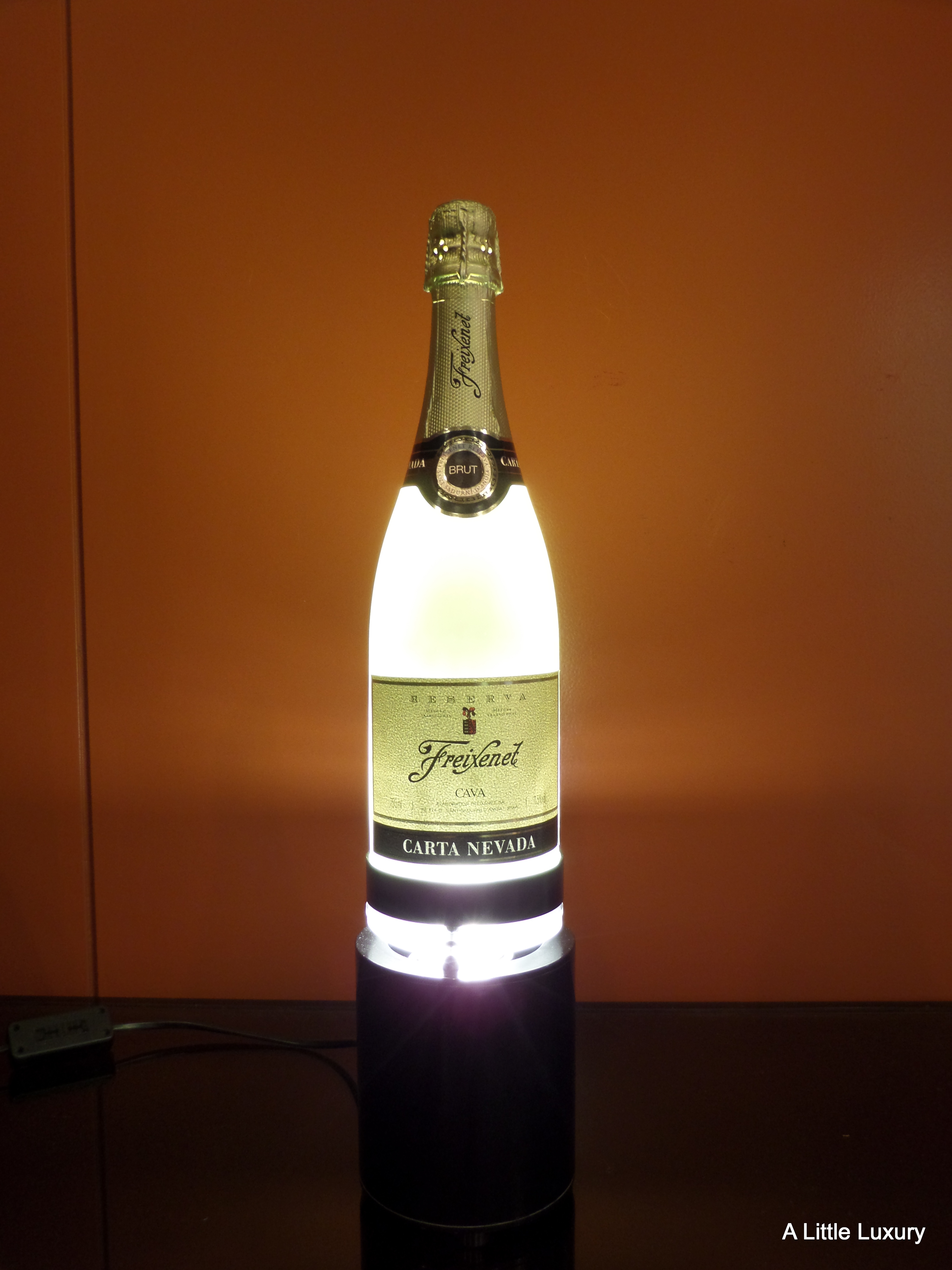
Wine bottle lightEarlier this month we were in Barcelona on a trip that I won that was sponsored by Freixenet on the Tesco Wine Club website.  The sponsors, Freixenet, really looked after us well and we were given a personal guided tour of the Freixenet winery, including a step by step walk through of the process by which sparkling wines like Cava are made, and then treated to a lovely lunch and wine tasting session.

Freixenet (it’s pronounced “fresh-eh-net” in case you were wondering), is best known for its Cordon Negro cava wine, in its distinctive black bottle.  It is, to this day, a family owned company that grew from humble beginnings in rural Catalunya. The roots of Freixenet stretch back to 1861 and are embedded in the history of two longstanding winemaking families: the Ferrers and the Salas, who joined forces following a marriage.  Today Freixenet are world leaders in sparkling wines which are made using the traditional method of secondary fermentation in the bottle.

Freixenet Winery Sant Sadurní d'AnoiaAs the Freixenet winery is located in the town of Sant Sadurní (about 45km from Barcelona) and the train from Barcelona stops just metres away, the winery has become a popular excursion for visitors looking for a day out of the city.  It’s reasonably priced and under 8s are free.  Tours are in either English or Spanish and you should check for times before you make your trip.  Each tour lasts about an hour and a half.

The tour includes:

  • A video about the history of Freixenet in a mini cinema(This takes about 10 minutes and gives you a good overview of the company’s history and their importance within the Spanish wine market).
  • A guided tour of the Freixenet winery which was built in 1922.  Here you get to learn about the cava-making process, plus how to it is stored and served.
  • A tour of the winery dating from the 1970s and 80s on a miniature train.  This reminded me of a James Bond movie for some reason.  The scale of the wine storage facility is amazing.
  • A glass of cava (grape juice for children) and the opportunity to taste other products from the range as well as different snacks.
  • A visit to the lovely gift shop.  You can buy wine of course, but there are also lots of other products associated with the Freixenet brand and wine production in general.
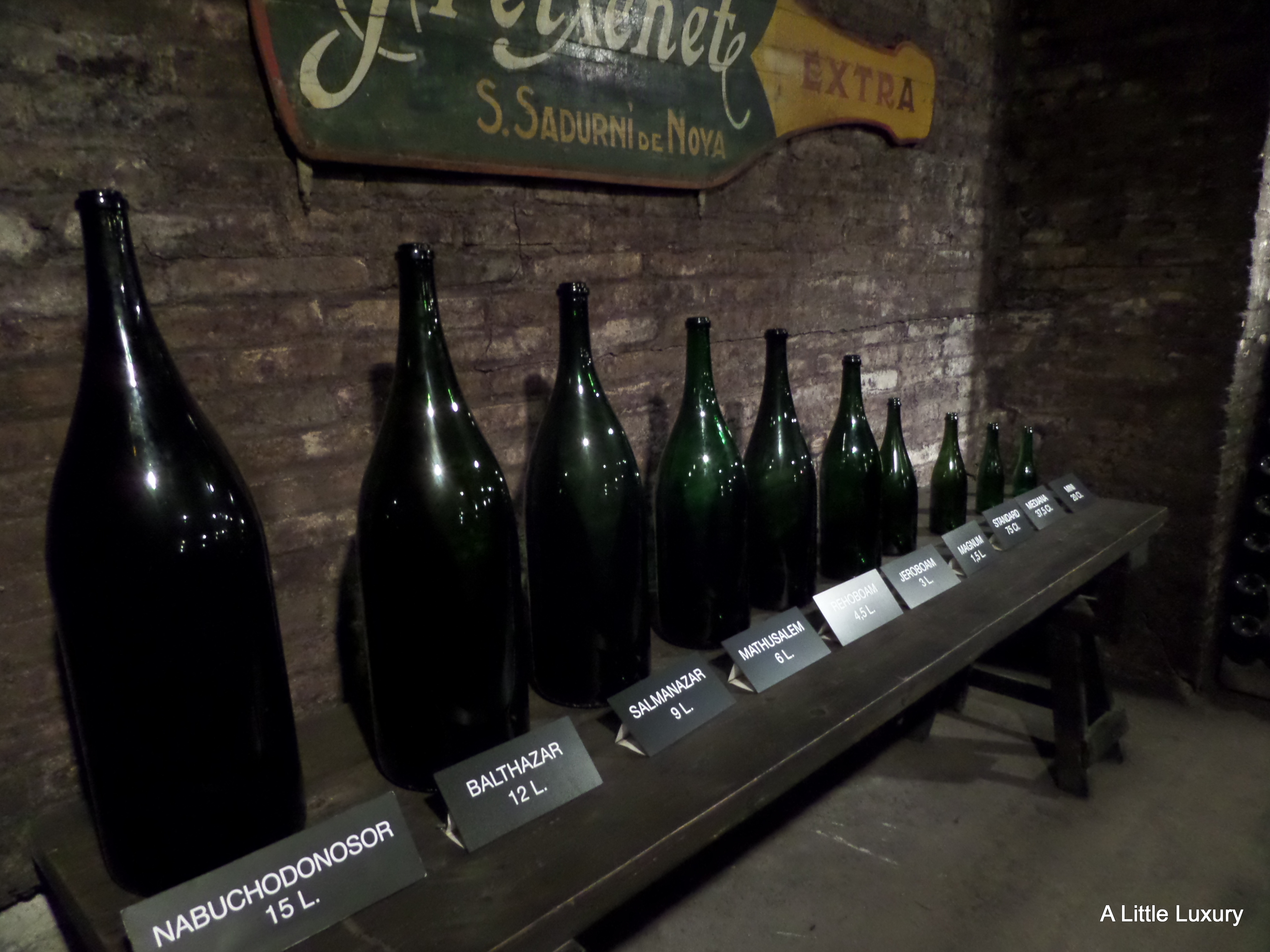
wine bottles in descending order of sizeIt’s a fascinating experience and a great way to learn more about wine growing, wine regions and wine production.  You also get to learn a little about the history of wine making and how Freixenet are innovating the wine production process, while maintaining the traditional quality levels.


Filed Under: Drink

Rum Making At The River Antoine Rum Distillery

February 6, 2014 by Erica Hughes 6 Comments

cut sugar cane bundles

Chopped Bundles of Sugar Cane

Rum is the signature drink of the Caribbean and each of the islands seems to have its own rum distillery (or three) where the art of rum making is carried out. Whilst we were on Grenada we went to visit the River Antoine rum distillery, where rum is still made in the traditional manner and has been since 1785.

The first stage of the process is to harvest the sugar cane from the fields.  This organically grown sugar cane is harvested by hand on the River Antoine Estate.  The cane is tied into bundles to make it easier to transport and handle and taken to the rum distillery.

crushing sugar cane

Water Powered Cane Mill

Next the cane is crushed to squeeze out the cane juice and this part of the process is powered by the water powered cane mill.  This machinery is ancient (like something from the earliest years of the industrial revolution), but it’s effective.  The cane goes through the crushing machine twice to extract as much cane juice as possible and the resulting liquid is then channelled, through open gutters, to the boiling room.  There’s no waste in this process because the leftover plant material (the dried out, crushed cane, known as bagasse) is put to good use as a fertiliser in the local fields.  Some of the bagasse is also used to fuel the fire in the boiling room that is home to the next stage of the process.  As you walk around the site you are stepping on the drying bagasse.

cane juice boiling house

Boiling House

Boiling up the cane juice helps to thicken up and concentrate the sugar levels of cane juice.  The juice is filtered by the workers who scoop out any bits of cane material with their ladles.  The juice is ladled through a succession of big, cast iron basins (known as coppers), with increasing sugar concentrations, until it is brought to the boil in the last one in the line.  Once the correct sugar concentration has been reached to allow for a good fermentation, then the boiled cane juice is ladled into another sluice which runs into the fermentation tanks in the next room.  I don’t think I’d want to work in this room on a hot day as I’d imagine it would get very uncomfortable.  It takes about an hour for the cane juice to make its way through the boiling house process.

Fermenting room

Fermentation Tanks

The next stage is fermentation.  This is where the sugar changes to alcohol.  I was surprised to hear that no yeast is added and that they rely on the natural yeasts in the air around us to do the job for them.  This fermentation stage takes about six days and they have two large tanks.  One tank is filling while the other is fermenting.  Then one is emptied ready for refilling, while the other one starts its six day fermentation.

distilling the rum

Distillation

The next stage is distillation.  This is where the rum is concentrated in the still until it reaches 75 per cent proof.  If it isn’t the right concentration the first time, it goes back through until it is.  The fire under this boiler is heated by wood.  The wood comes from all over the small island of Grenada.  Basically, if you want a tree chopped down, you call out the brewery people and they come do it and take the wood away for their still.

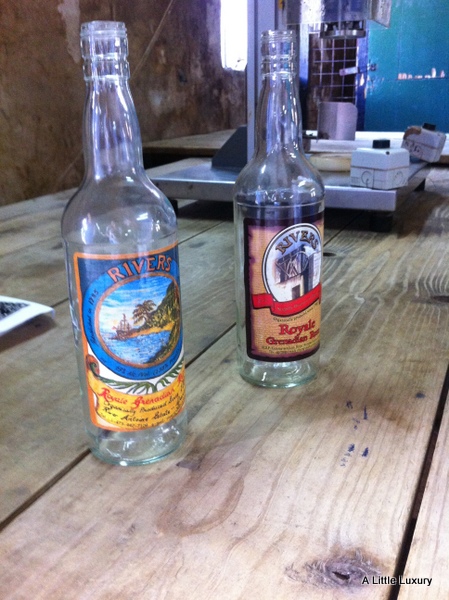
River Antoine Rum Bottles

Bottling

Once the rum is 75 per cent proof, it’s ready for bottling.  They also dilute some down to 69 per cent proof for visitors that want to take a bottle home with them (you can’t export 75 per cent proof).  We then got to sample a little of the finished product.  It will really blow your socks off.  Alternatively, you might want to try the rum punch which is a mere 20 per cent proof.


Filed Under: Drink

Shloer Celebration

November 14, 2013 by Erica Hughes 1 Comment

Shloer Celebration Pink FizzThe other day I had a friend over for lunch and it seemed like the perfect time to try out a bottle of Shloer Celebration that I’d been sent.  I had it chillled and ready to go.  To open you need to slip out the champagne style cork/stopper arrangement.

Shloer Celebration is a new range that comes in two flavours, both made from sparkling grape juice.  Shloer Celebration White Bubbly is made from white grape juices and is blended to have a crisp, full bodied flavour.

We tried out the Shloer Celebration Pink Fizz which looks like pink champagne and has a similar taste, but perhaps a bit fresher with a fruity edge. It’s made from a combination of red and white grape juices.

I think Shloer Celebration is a good drink to have to hand over the festive season.  It’s perfect if you have to drive or can’t drink for another reason, but want to have something a little bit special.  It certainly gives you some of the feel of opening a bottle of champagne or other bubbly without the alcohol.

We both enjoyed drinking the Shloer Celebration.  My friend thought that she might well buy some for parties that she has planned over the festive season.  I’d certainly consider serving it up if we had guests who had driven or taking it to a party where I was driving.  It helps you feel that you’re not missing out on all the fun.

Filed Under: Drink

  • « Go to Previous Page
  • Page 1
  • Interim pages omitted …
  • Page 10
  • Page 11
  • Page 12
  • Page 13
  • Page 14
  • Go to Next Page »

Primary Sidebar

About Me

ericaI’m Erica Hughes: interested in beauty products as well as being a keen foodie and amateur cook. I write here about my passions in life including good food, fine wine, beauty plus all the little luxuries that make life worthwhile.

  • Bloglovin
  • E-mail
  • Facebook
  • Instagram
  • Twitter

About/Contact

PR/Advertising

Privacy Policy

Categories

  • Competition
  • Cooking
  • Drink
  • Entertainment
  • Family
  • Fashion
  • Food
  • Gadgets
  • General
  • Gifts
  • Health
  • Home
  • Hotel
  • Jewelry
  • Music
  • Pampering
  • Plants and Gardening
  • Relationships
  • Restaurant
  • Silent Sunday
  • Sports
  • travel

Copyright © 2026 · Foodie Pro Theme by Shay Bocks · Built on the Genesis Framework · Powered by WordPress