Traditionally considered a one-off or short trip, a modern approach to cruise ships has arisen that sees them as a slower and more long-term travel experience. Today, some travellers are spending months at a time on the seas, and for a lower cost than you might expect. For the right person, this could mean a rarely considered opportunity and a way to explore the world that few can accomplish. However, a long-term cruise holiday also presents some challenges that need to be understood before you take the leap.
Don’t Get Stuck on the Open Seas
The main factor to consider when booking a cruise is the cost of travel. Few people will be able to work while on the ocean, which means you’re going to need to prepare a budget in advance. Although some people might be fortunate enough to drop everything and head out whenever they wish, everyone else will need to consider how they store their belongings and take care of their property first. This is especially true if you need to sell your house to fund a long-term cruise holiday.

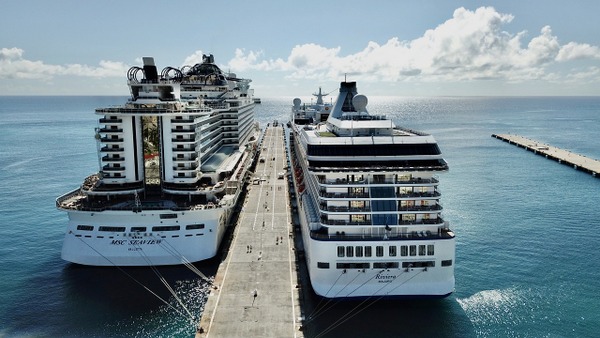
Image by Steve Buissinne from Pixabay
Fortunately, there are newer, online options that can help you organise a property sale quickly and efficiently. If you want to sell, online estate agents can help streamline the process with a sales time that is, on average, 38 days faster than using a traditional estate agent. They also come with no surprise fees and free cash offers, potentially leaving you some extra money in the piggy bank for your cruise. If you’re not ready to sell, though, you can also use options like Airbnb to rent out your property while you’re gone.
The Physical and Mental Aspects
It’s easy to romanticise cruises, but they’re not well-suited to everyone. Being on a cruise can mean living in smaller accommodations than you’re used to, and potentially getting stuck without your regular forms of relaxation available. If you’re in the middle of the Pacific, for example, you can’t exactly go for a drive to clear your head!
Being on a cruise can also mean you’re stuck with difficult neighbours, although cruise regulations will generally deal with anyone too rowdy or unpleasant. The close proximity to others also means that viruses can spread quickly through the passengers and crew, which we’ve all heard horror stories about.
As doom and gloom as this might seem, we don’t want to downplay the positive aspects of cruise travel either. You do get to enjoy the endless blue, see new countries, eat great food, and meet interesting people. Taking this approach to living will also give you fun stories to tell for the rest of your life, along with providing you a rare view of the world and its inhabitants.
Ultimately, the best advice for anyone interested in trying out this form of long-term travel is to gain as much experience as you can. Go on a smaller cruise first to see how you manage in more cramped accommodations, and see if you can handle the strict meal rotations that cruise ships offer. If it’s not for you, then you’ve still learnt something new; if it is, then you’ve uncovered an exciting new way to expand your horizons. Either way, remember to do your research before you dive in!
Leave a Reply